Follow Me On Social Media!

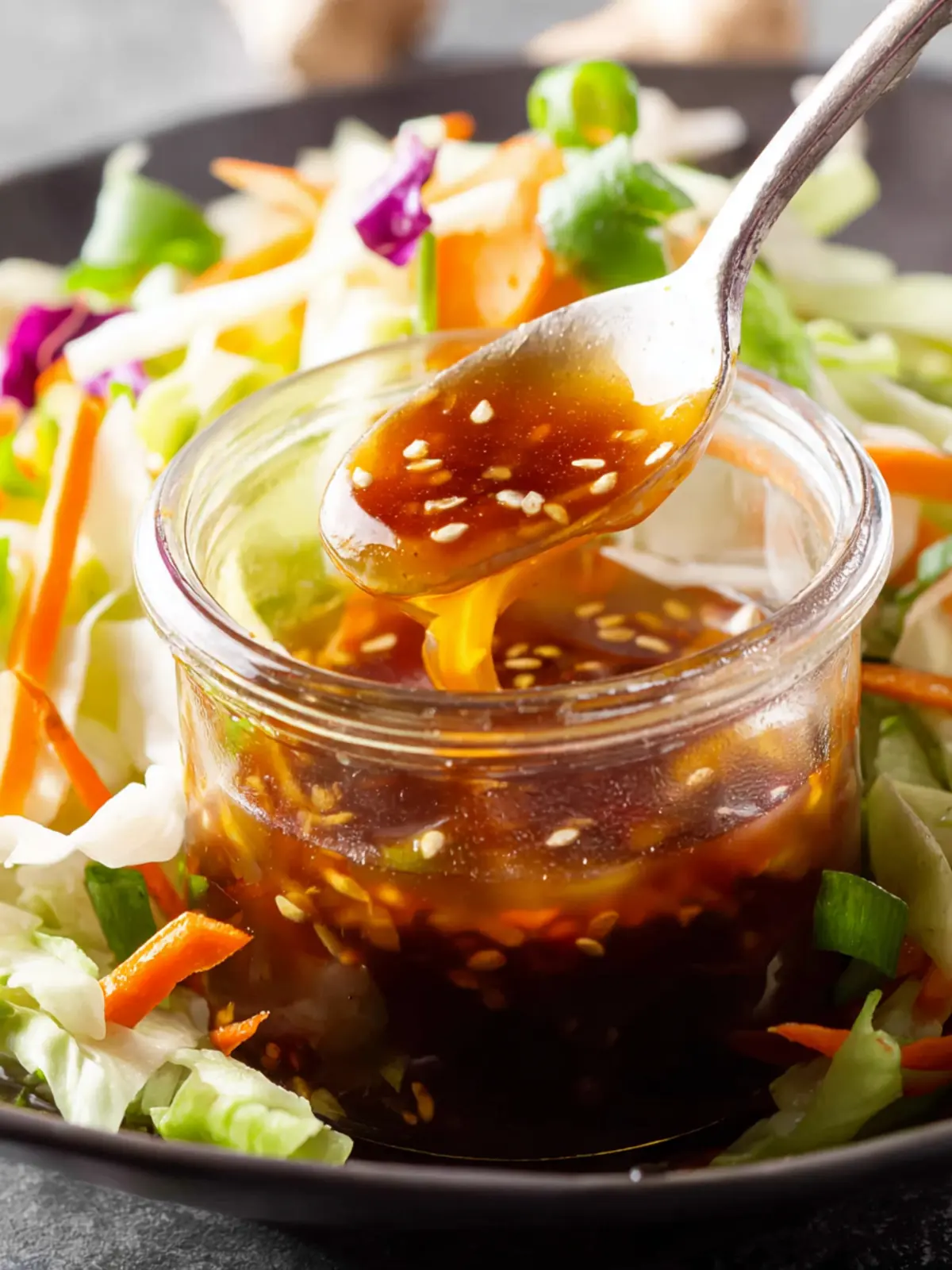
Asian Salad Dressing: The Best Refreshing Twist You’ll Love

Introduction to Asian Salad Dressing
Imagine standing in your kitchen, the evening light glowing softly as you prepare a fresh, vibrant salad. You reach for a bottle of store-bought dressing, but then pause. What if you could elevate your salad with a homemade Asian salad dressing that not only sparks joy but also packs a powerful flavor punch? This is where homemade dressings become a game-changer, allowing you to control the ingredients and the freshness while expressing your culinary creativity.
Homemade dressings, especially those inspired by Asian flavors, provide a delightful combination of sweet, salty, and tangy notes that can transform any ordinary salad into a culinary masterpiece. With just a handful of ingredients like soy sauce, sesame oil, and rice vinegar, you can create a dressing that brings together salads, grain bowls, or even grilled meats with a simple whisk or shake. Plus, making your own dressing gives you the flexibility to adjust the flavors to suit your palate — whether you prefer it more savory, spicy, or sweet.
Why is homemade dressing a game-changer?
Opting for a homemade Asian salad dressing not only enhances taste but also focuses on health. Many commercial dressings are laden with preservatives, unhealthy fats, and excessive sugar. In contrast, when you make it yourself, you can choose high-quality, natural ingredients that align with your dietary preferences. For instance, using fresh ginger or a touch of honey can elevate the complex flavor profile without the guilt of artificial additives.
Did you know that embracing homemade dressings can also save you money? A bottle of good-quality dressing can often come with a hefty price tag, whereas crafting your own at home takes mere minutes and commonly uses ingredients you might already have in your pantry.
By choosing to whip up your own Asian salad dressing, you’re not just adding flavor; you’re creating a personal touch in your meals. So, let’s roll up our sleeves and dive into this culinary adventure, where fresh ingredients and bold flavors await!
Key Ingredients for Asian Salad Dressing
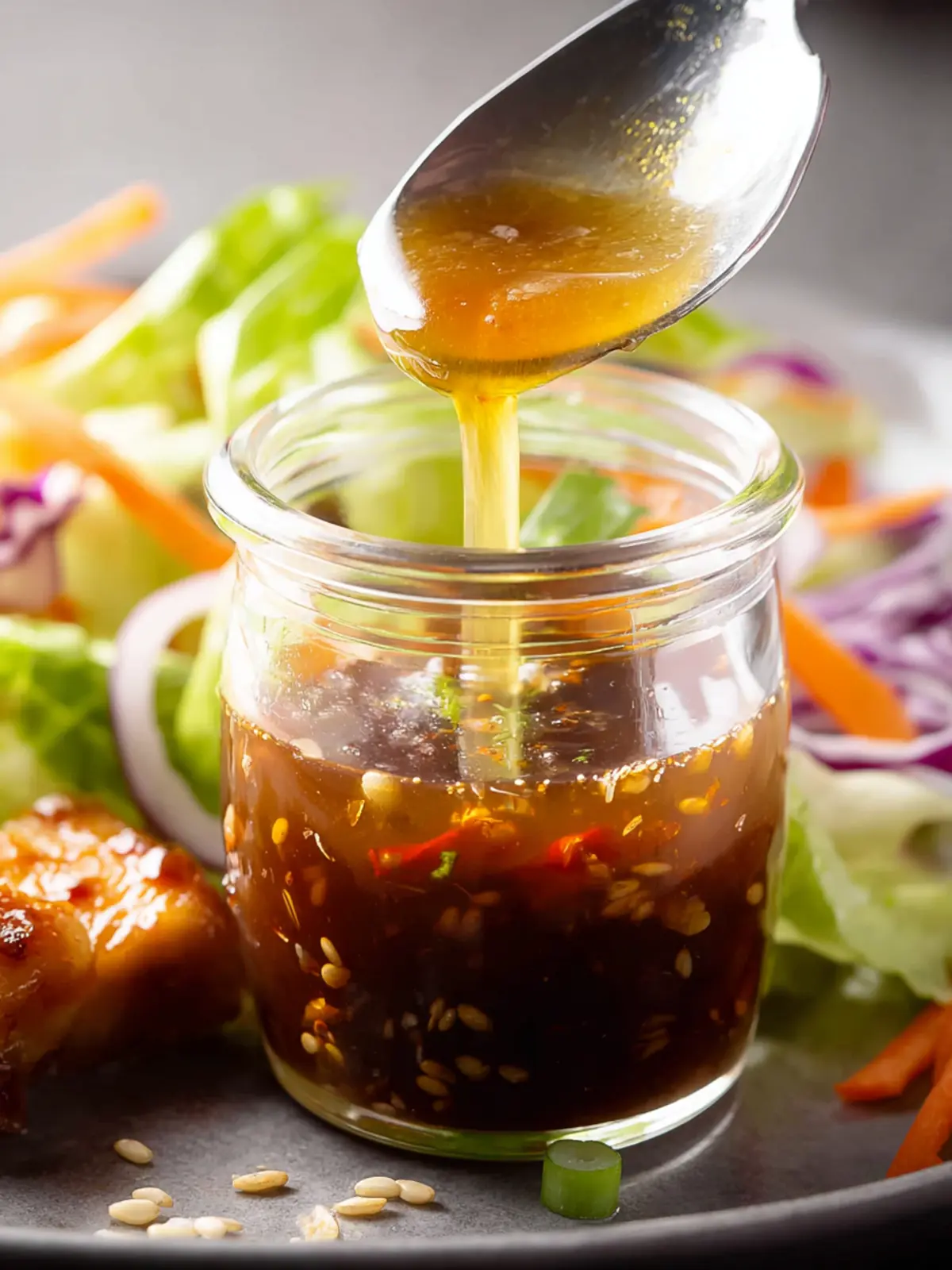
Creating a vibrant Asian salad dressing starts with a few essential ingredients that bring both flavor and harmony to your dish. Each component plays a role in balancing the tangy, sweet, and savory notes that characterize this dressing.
-
Soy Sauce: This is the heart of the dressing, providing a deep umami flavor. Opt for low-sodium soy sauce if you want to keep things healthier without sacrificing taste.
-
Rice Vinegar: A splash of rice vinegar adds a pleasant tartness that complements the savory elements. Its mild flavor makes it perfect for Asian salad dressing, providing a nice balance without overpowering the other ingredients.
-
Sesame Oil: A few drops of toasted sesame oil give your dressing a nutty depth. It’s aromatic and elevates the overall taste profile, making your salad feel gourmet.
-
Honey or Maple Syrup: A hint of sweetness rounds out the flavors beautifully. Honey adds a rich sweetness, while maple syrup offers a vegan alternative that still packs a punch.
-
Ginger and Garlic: Freshly minced ginger and garlic add zing and warmth. They not only enhance flavor but also bring potential health benefits, making your salad more nourishing.
Combining these ingredients creates an Asian salad dressing that will elevate any greens into a mouthwatering experience.
Why You’ll Love This Asian Salad Dressing
Imagine drizzling a vibrant, flavor-packed Asian salad dressing over a colorful bowl of fresh greens and crunchy veggies. Not only does this dressing elevate your salads, but it also brings a delightful fusion of flavors that transports you straight to a bustling Asian market. With its tangy, savory notes, this dressing adds a refreshing twist that pleases the palate.
One of the wonderful aspects of this Asian salad dressing is its versatility. You can easily adjust the ingredients to suit your taste preferences—whether you prefer it a bit sweet with honey or zesty with extra ginger, the choice is all yours. Plus, it’s a great accompaniment not just for salads but also for grilled meats, as a marinade, or as a dipping sauce for spring rolls.
Making the Asian salad dressing is a breeze. Just whisk together the ingredients, and you’re on your way to transforming ordinary salads into extraordinary meals. You’ll love how quickly it comes together and how it brightens up even the simplest dishes. Serving your friends or family this vibrant dressing will undoubtedly impress them, and they might even ask for the recipe themselves. It’s a delightful addition that will surely become a staple in your kitchen.
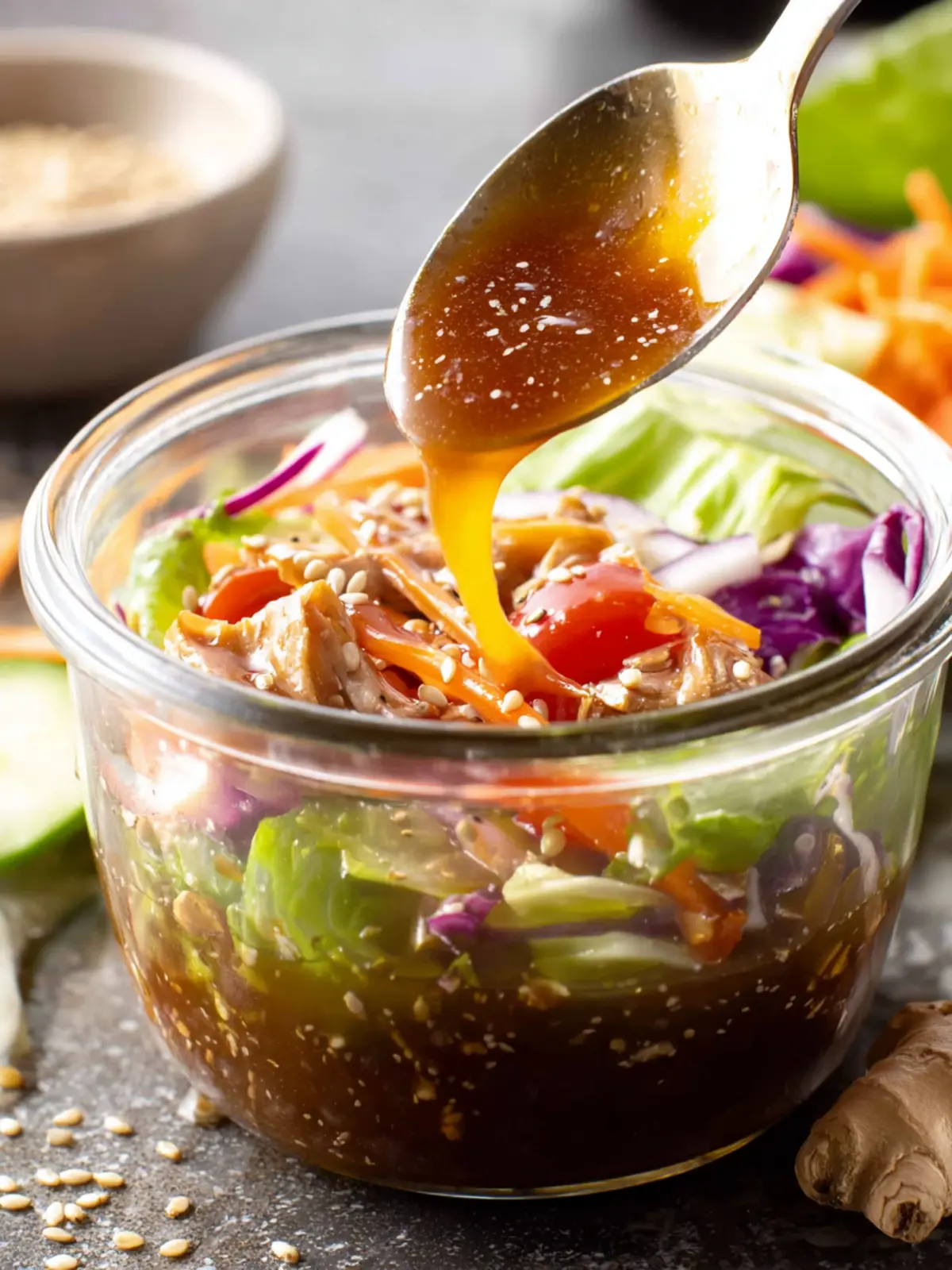
Variations of Asian Salad Dressing
Creating your own Asian salad dressing opens up a world of flavor possibilities that go beyond the traditional recipe. It’s a journey of discovering how simple ingredients can yield diverse tastes, whether you fancy something sweet, spicy, or umami-rich. Here are some delightful variations to consider:
Sweet and Spicy Twist
For those who love a kick, try adding sriracha or chili garlic sauce to your dressing. This not only infuses heat but also complements the sweetness of other ingredients like honey or maple syrup.
Creamy Avocado Addition
Turn your asian salad dressing creamy by blending in ripe avocado. This variation not only enhances the richness but also adds a dose of healthy fats. Paired with lime juice, you’ll have a deliciously creamy and zesty dressing.
Fruity Fusion
Incorporate fresh fruit to brighten up your dressing. Pineapple juice or orange zest can add a refreshing twist, striking a beautiful balance with soy sauce and rice vinegar. This fruity addition is perfect for summer salads with greens and nuts.
Miso Magic
For an umami punch, whisk in some miso paste. This fermented soy product introduces depth to your dressing, making it a hearty choice that pairs wonderfully with shredded vegetables and grilled proteins.
Nutty Flavor Profile
To switch things up, include tahini or ground nuts like cashews or peanuts. This variation will give your dressing a nutty profile that enhances its silkiness and pairs well with crunchy salads.
Experimenting with these variations provides a fun way to discover what you enjoy most! Whether you prefer something spicy, creamy, fruity, or nutty, there’s an asian salad dressing variation that’s uniquely yours.
Cooking Tips and Notes for Asian Salad Dressing
Creating the perfect Asian salad dressing can feel like an art, where balancing flavors is essential. Imagine whisking together ingredients to achieve that harmonious blend of sweet, savory, and tangy—the kind that transports your dish to the bustling streets of Asian markets. Here are some helpful tips to make your dressing shine:
Perfecting Your Ingredients
-
Soy Sauce: Opt for low-sodium soy sauce to control the saltiness without losing that rich umami flavor. This ensures your dressing doesn’t overpower your salad.
-
Rice Vinegar: Traditional rice vinegar gives a mild and slightly sweet acidity. If you can find unseasoned varieties, they offer the best flavor without extra sugar.
-
Sesame Oil: A little goes a long way! Start with a small amount, as its strong flavor can easily dominate. Toasted sesame oil can provide an added depth.
Taste as You Go
Your Asian salad dressing is a personal creation. Don’t hesitate to tweak the ratios. Prefer it sweeter? Add more honey or sugar. Looking for more punch? A splash of lime juice can elevate the taste.
Storage Tips
For optimal flavor, let your dressing sit for at least 30 minutes before using. This allows the ingredients to meld beautifully. Store any leftovers in an airtight container in the refrigerator for up to a week.
With these tips, you’re ready to whip up an Asian salad dressing that will impress friends and elevate your meals!
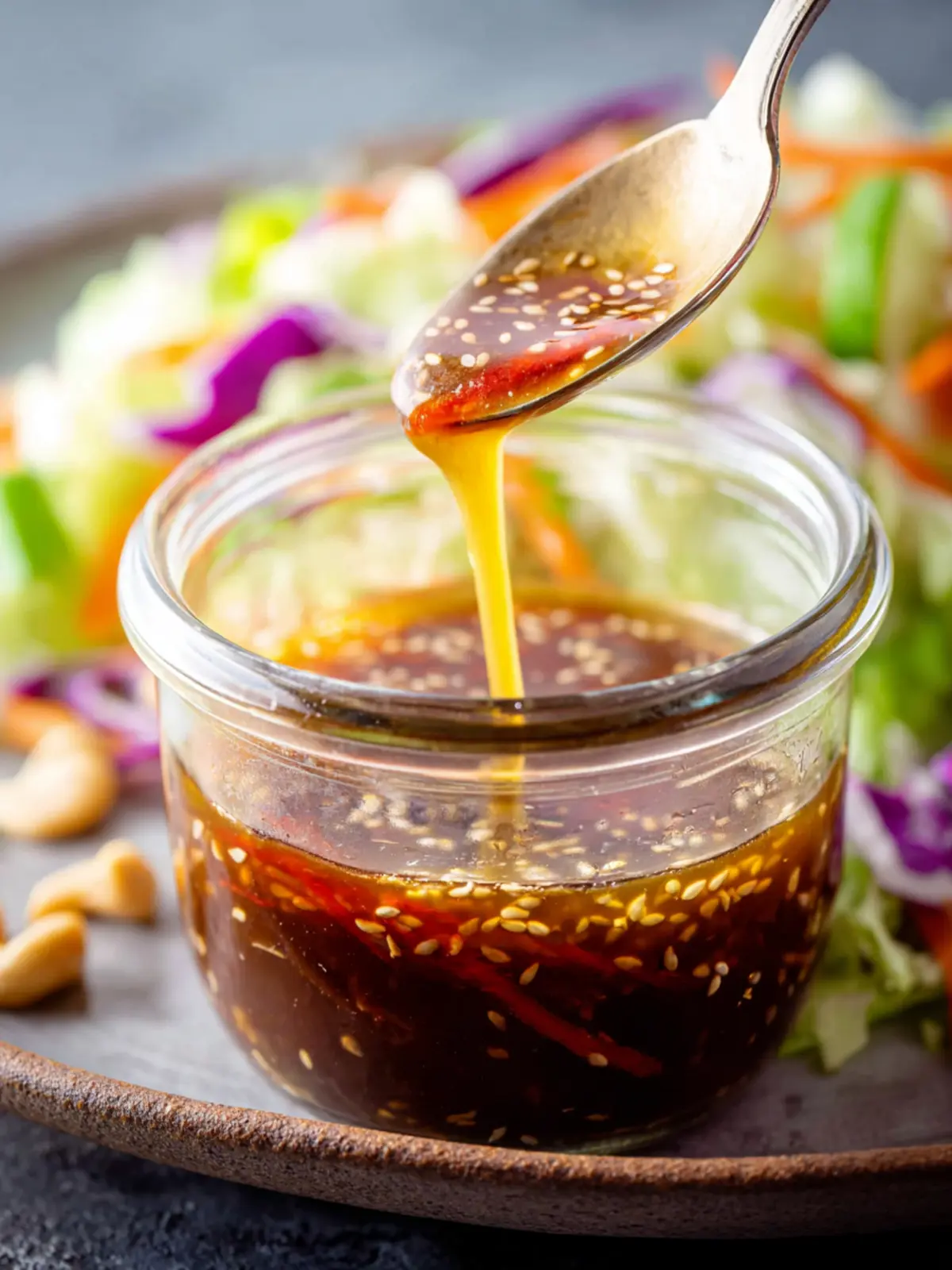
Serving Suggestions for Asian Salad Dressing
The beauty of Asian salad dressing lies in its versatility. Whether you’re prepping a quick lunch or serving dinner guests, this dressing adds a refreshing kick that elevates any dish. Imagine the crunch of fresh vegetables harmonizing with the tangy sweetness of the dressing—it’s a delightful experience on every plate.
Pairing with Fresh Greens
Start with a base of crisp greens like romaine or mixed baby greens. Toss in some shredded carrots and sliced bell peppers to add color and texture. Drizzle your Asian salad dressing generously over the salad for a vibrant and nutritious meal. Don’t hesitate to get your hands in there—massaging the dressing into the greens enhances flavor absorption.
Enhance with Proteins
For a heartier option, try adding grilled chicken or tofu. Marinate the protein in some of the Asian salad dressing for a few hours before cooking to intensify the flavors. This step not only improves the taste but also creates a seamless transition from salad to main dish.
Accompaniments
Serve your salad alongside steamed dumplings or crispy spring rolls for an Asian-inspired feast. The contrast of the warm appetizers with the cool salad creates a wonderful balance, making for a memorable meal.
Storage Tips
If you have leftover dressing, store it in an airtight container in the fridge. It’ll stay fresh for up to a week, allowing you to whip up quick salads on demand. The longer it sits, the more the flavors develop—much like a good wine!
These simple yet effective serving ideas will make your Asian salad dressing the star of any meal.
Time Breakdown for Asian Salad Dressing
Creating a delicious Asian salad dressing doesn’t take much time at all! It’s a quick and flavorful way to elevate your salads while ensuring you spend more time enjoying your meal than preparing it. Let’s break it down!
Preparation Time
To begin, gather all your ingredients and tools. This typically takes about 5 minutes. It’s a great opportunity to organize your workspace and admire those glossy vegetables you’re about to toss!
Mixing Time
Once you’re set, mixing the ingredients together should only require about 5 minutes. Whisk everything together until it’s perfectly blended. You’ll love how quick and easy it is!
Total Time
In total, this Asian salad dressing takes about 10 minutes from start to finish. Just enough time to whip up a quick batch for any meal, leaving you with a delightful flavor that’s hard to resist.
Nutritional Facts for Asian Salad Dressing
Creating a vibrant Asian salad dressing can elevate your meals, but it’s essential to know what you’re consuming. Let’s break down the nutritional facts to help you savor each bite with confidence.
Calories
This flavorful dressing packs approximately 50 calories per serving. It’s a delightful addition that won’t overpower your daily caloric intake.
Fats
With about 4 grams of fat, most of this comes from nutritious oils like sesame. These healthy fats are crucial for absorbing vitamins and adding flavor.
Carbohydrates
Every serving contains around 3 grams of carbohydrates, which is pretty low. This makes it a suitable option for those watching their carb intake.
Sugars
The total sugar content is about 1 gram, adding just a hint of sweetness without tipping the scale too high.
Protein
This dressing is not a protein powerhouse, with just 1 gram of protein per serving. However, it complements your salad, which can easily make up for this in the overall meal.
With these nutritional insights, you can enjoy your Asian salad dressing guilt-free, knowing it enhances not only the flavors but also complements a balanced diet.
FAQ about Asian Salad Dressing
Creating your own Asian salad dressing can open the door to a flavorful world that elevates your salads from standard to sensational. Whether you’re a busy professional looking for quick meal prep or a culinary enthusiast wanting to mix things up, there’s a lot to discover about this versatile dressing.
Can I make this dressing in advance?
Absolutely! One of the best features of asian salad dressing is that it can be made in advance and stored in the refrigerator for later use. I typically recommend preparing a batch and keeping it in a sealed container for up to a week. This not only saves time but allows the flavors to meld beautifully over time, enhancing the overall taste.
What types of salads pair well with this dressing?
This dressing is incredibly versatile! Here are a few salads that pair exceptionally well:
- Asian Slaw: Cabbage, carrots, and bell peppers.
- Chickpea Salad: Tossed with cucumbers and edamame for crunch.
- Mixed Greens: Spinach or arugula with sliced almonds and mandarin oranges.
- Grilled Chicken Salad: Perfect drizzled over warm grilled chicken and veggies.
How can I adjust the flavor to my preference?
Adjusting the flavor of your asian salad dressing is easy and fun! Here are a few options to consider:
- Sweetness: If you prefer a sweeter dressing, add a touch more honey or maple syrup.
- Heat: For a kick, incorporate some red pepper flakes or sriracha.
- Sourness: A splash of lime or rice vinegar can brighten the flavors.
- Umami: A dash of soy sauce or tamari can deepen the savory notes.
Experimenting with these adjustments will help you find the perfect balance that suits your palate. Happy dressing!
Conclusion on Asian Salad Dressing
In wrapping up our culinary adventure with Asian salad dressing, it’s clear that this vibrant blend of flavors can elevate any dish. The balance of acidity from rice vinegar, the sweetness of honey, and the umami kick from soy sauce creates a symphony of taste that harmonizes beautifully with fresh greens.
Experimenting with this dressing opens up a world of possibilities. Whether you drizzle it over a crunchy salad of mixed greens or use it as a flavorful marinade for grilled chicken, you are sure to impress your family and friends. Embrace the transformation this dressing brings, and enjoy a taste of Asia in every bite!
Print
Asian Salad Dressing
- Total Time: 5 minutes
- Yield: 1 cup 1x
- Diet: Vegetarian
Description
This delicious Asian salad dressing is perfect for drizzling over your favorite salads.
Ingredients
Scale
- 5 tablespoons extra virgin olive oil (or neutral cooking oil such as avocado, canola, etc.)
- ½ teaspoon sesame oil (or to taste)
- ¼ cup rice vinegar
- 1 teaspoon less sodium soy sauce
- 1 teaspoon fresh ginger (grated)
- 1 ½ tablespoons honey (or maple syrup)
- 2 tablespoons hoisin sauce
- 1–2 teaspoons sesame seeds
Instructions
- Add all ingredients to a small mixing bowl. Whisk thoroughly until emulsified.
- Or, add all ingredients to a jar and seal tightly. Shake vigorously until all ingredients have emulsified.
- Serve atop this Asian Salad Recipe and enjoy!
Notes
- If you made this recipe, leave a comment and review. It truly helps our small business keep running and it helps readers like you!
- Prep Time: 5 minutes
- Category: Condiments
- Method: Mixing
- Cuisine: Asian
Nutrition
- Serving Size: 2 tablespoons
- Calories: 120
- Sugar: 8g
- Sodium: 200mg
- Fat: 8g
- Saturated Fat: 1g
- Unsaturated Fat: 6g
- Trans Fat: 0g
- Carbohydrates: 12g
- Fiber: 0g
- Protein: 0g
- Cholesterol: 0mg