Follow Me On Social Media!


Hand-Pulled Noodles: The Best Comfort Dish You’ll Crave

Introduction to Hand-Pulled Noodles
Imagine stepping into a bustling street market, the aroma of savory dishes fills the air and the delightful sight of artisans skillfully pulling long strands of hand-pulled noodles captivates your senses. This culinary dance not only showcases skill but brings back a sense of nostalgia for many who connect it to family gatherings and shared meals. Hand-pulled noodles invite us on a journey steeped in tradition, culture, and heartwarming flavors.
The art of hand-pulling noodles is a beautiful representation of patience and practice. Originating from China, this technique involves simple ingredients—flour, water, and salt—that are transformed into endlessly long noodles. Each pull creates a unique texture that sets these noodles apart from others. The process can be mesmerizing; watching the dough transform under skilled hands is akin to witnessing a performance that has been perfected over generations.
What I adore about making hand-pulled noodles is how it transcends mere cooking; it’s a conversation starter and a bonding activity. Gathering friends or family around to try their hand at pulling noodles adds a touch of excitement to mealtime. It’s not just about the final dish; it’s about the joyous laughter, the shared wins (and occasional mishaps), and the stories exchanged over the table.
As you dive into this recipe for hand-pulled noodles, keep in mind that the journey begins long before the noodles hit the pot. The careful preparation creates an experience that is both interactive and delicious. Whether you serve them simply with soy sauce and scallions, or toss them in a hearty broth, these noodles promise to bring warmth and comfort to your dinner table.
So roll up your sleeves and prepare yourself for a delightful adventure in food. There’s something profoundly satisfying waiting for you at the end of each pull—a plate of noodles that holds not just flavors, but memories, too.

Key Ingredients for Hand-Pulled Noodles
Making hand-pulled noodles truly comes down to a few essential ingredients that work in perfect harmony. These ingredients don’t just create texture; they tell a story of tradition and skill that has been passed down through generations.
-
Flour: For the ultimate chew, I swear by high-gluten wheat flour. This flour is packed with protein, which gives the noodles their delightful elasticity and strength. I’ve noticed that all-purpose flour can yield softer noodles, which can be nice, but they tend to fall apart more easily—definitely not what you want in a good hand-pulled noodle.
-
Water: The warmth of your water is crucial! Using boiling water helps activate the flour’s gluten immediately, leading to a dough that’s easier to pull. A friend once told me that the right temperature can make all the difference, and I couldn’t agree more.
-
Salt: A pinch of salt is essential, not just for taste but also for strengthening the dough. It enhances the flavor and helps control the elasticity, ensuring your noodles don’t collapse under pressure.
-
Oil: A bit of oil, whether it’s sesame or vegetable, helps in preventing the dough from sticking together as it rests. Don’t skimp on this; it’s a game-changer for the final product.
With these key ingredients, you’re on your way to mastering the delicate art of hand-pulled noodles. Happy cooking!
Why You’ll Love Hand-Pulled Noodles
Hand-pulled noodles bring a delightful twist to your culinary adventures. Imagine biting into a warm bowl of noodles that are not only delicious but also have a story behind them; each strand is crafted with care by skilled hands. The unique texture and flavor of hand-pulled noodles create an unforgettable dining experience.
Unique texture and flavor
The magic of hand-pulled noodles lies in their incredible texture. When made correctly, these noodles showcase a perfect balance of chewiness and tenderness, thanks to the technique of kneading and stretching the dough. This process enhances the noodles’ ability to hold onto sauces and flavors, ensuring that every bite is infused with the deliciousness of your chosen ingredients. It’s like a little taste of tradition that transports you straight to the streets of China, adding a rich, savory dimension to your meal.
Perfect for various dishes
One of the most compelling reasons to love hand-pulled noodles is their versatility. Whether you’re craving a spicy stir-fry, a comforting noodle soup, or a refreshing cold dish, they fit seamlessly into countless recipes. You can personalize your dishes with a variety of flavors and ingredients, ensuring that every meal is unique. Invite friends over and have a fun noodle-pulling session together; it’s not just cooking, it’s creating a memorable experience.
Variations of Hand-Pulled Noodles
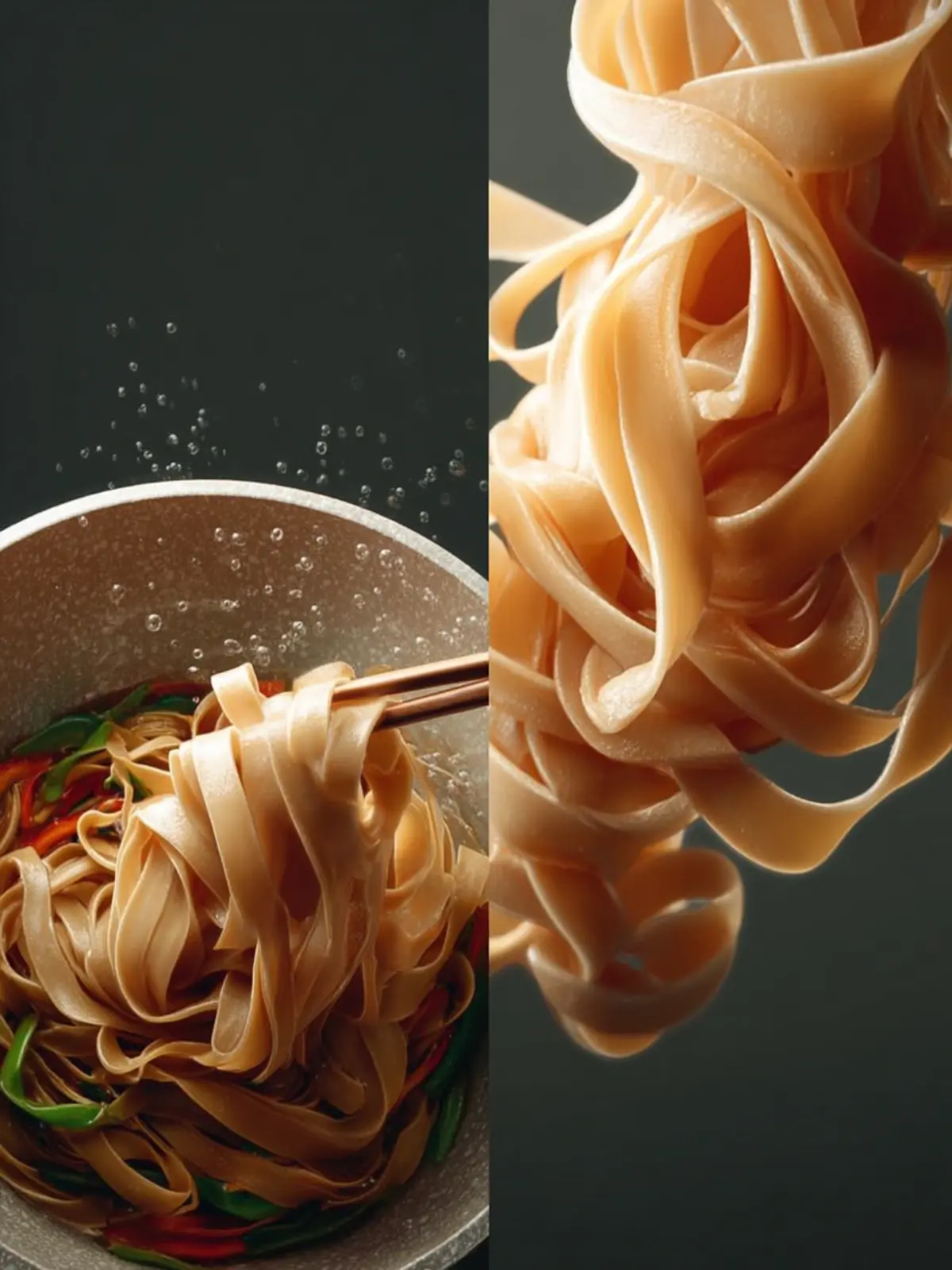
Exploring the world of hand-pulled noodles can lead you down a delicious path of culinary creativity. Each variation has its own unique flair that elevates the noodle experience.
Spicy noodles with chili oil
If you crave heat, look no further than spicy hand-pulled noodles. Infuse your dish with a generous drizzle of chili oil, which adds a delightfully spicy kick. Complement the noodles with garlic, Sichuan peppercorns, and fresh herbs like cilantro for an explosion of flavor that’s sure to awaken your taste buds. This dish turns a simple bowl of noodles into a fiery feast.
Vegetarian stir-fried noodles
For a lighter option, try hand-pulled noodles tossed with a colorful array of seasonal vegetables. Think bell peppers, carrots, and snow peas, all stir-fried in soy sauce and sesame oil. This variation not only packs in nutrients but also showcases the versatility of the noodles, proving that meat-free meals can be just as satisfying and flavorful.
Noodles in savory broth
Sometimes, all you need is a comforting bowl of noodles in savory broth. Whether it’s a rich chicken or a fragrant vegetable stock, hand-pulled noodles serve as the perfect base, absorbing all those lovely flavors. Add in some greens, soft-boiled eggs, and perhaps a sprinkle of scallions for a complete meal that’s both warming and nourishing.
Embracing these variations allows you to appreciate the simplicity of hand-pulled noodles while enjoying an array of tastes that cater to every palate. Explore them all, and find your favorites!
Cooking Tips and Notes for Hand-Pulled Noodles
Crafting your own hand-pulled noodles is an art, and mastering a few key techniques can elevate your dish from good to unforgettable.
Importance of Kneading
Kneading is crucial for gluten development, which imparts the chewy texture that hand-pulled noodles are known for. Make sure you knead vigorously for about 10-15 minutes until the dough is smooth and elastic. Imagine layering flavors with each knead, creating a base that will absorb all your delicious sauces later!
Resting the Dough
Don’t rush the process! After kneading, let your dough rest for at least 30 minutes. This resting period allows the gluten to relax, making it easier to stretch the noodles without tearing. Think of it as letting your dough take a quick nap—this will result in a much softer, more pliable noodle.
Reheating and Storage Tips
If you’ve made extra hand-pulled noodles, store them in an airtight container in the refrigerator for up to three days. To reheat, simply toss them in boiling water for a minute or so until warmed through. This keeps them tender and ready for your favorite broth or stir-fry. Who doesn’t love leftover noodles that taste almost as good as the day they were made?
By following these tips, you’ll ensure that your hand-pulled noodles turn out perfect every time!
Serving Suggestions for Hand-Pulled Noodles
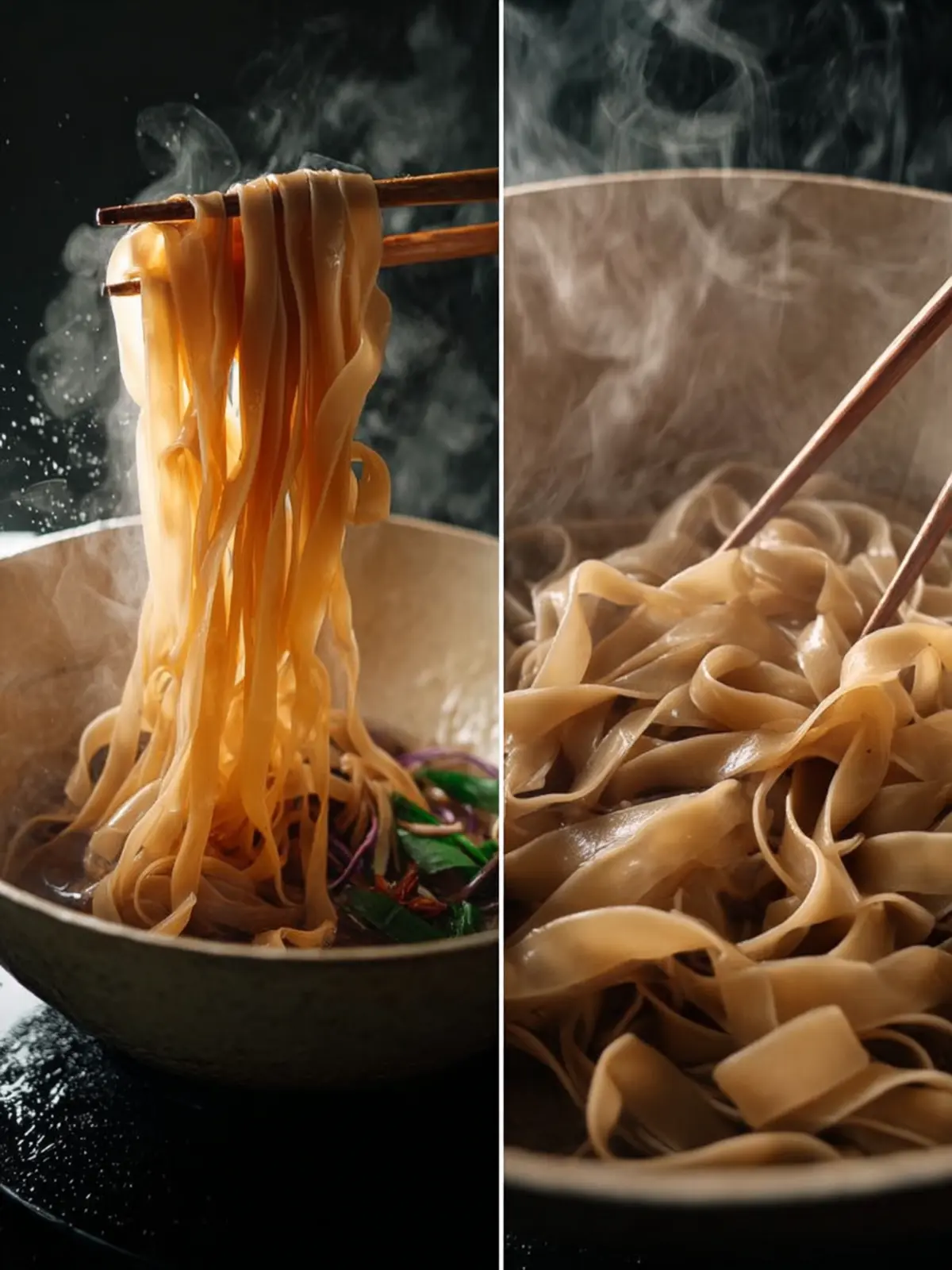
To elevate your hand-pulled noodles experience, consider these serving suggestions that bring out the best flavors and textures.
Pairing with Your Favorite Proteins
One of the joys of hand-pulled noodles is their adaptability. They pair beautifully with a range of proteins. Think grilled chicken, which adds a smoky richness, or shrimp sautéed in garlic for a quick and delicious option. If you prefer plant-based choices, marinated tofu stir-fried until golden makes for a hearty addition. Don’t hesitate to toss in some meatballs or beef slices; the noodles soak up those savory juices, making each bite memorable.
Mixing with Seasonal Vegetables
Incorporating seasonal vegetables into your hand-pulled noodles not only enhances their nutritional value but also brightens up the dish. Crunchy bell peppers, tender snap peas, and vibrant bok choy can be quickly blanched or stir-fried. Imagine a colorful medley that plays with both texture and taste! Fresh herbs like cilantro or green onions can also add a pop of flavor at the end.
Serving in Brothy Soups or Salads
For a comforting dinner, serve your hand-pulled noodles in a rich broth. Chicken or vegetable broth infused with ginger and garlic creates a nourishing soup perfect for chilly nights. Alternatively, consider a refreshing noodle salad with a tangy dressing for summer gatherings. Add ingredients like sesame oil, soy sauce, and lime juice to create a balance of flavors that your guests will love.
Incorporating these elements into your meals ensures that your hand-pulled noodles are not just a side dish, but a star on your dining table.
Time Breakdown for Hand-Pulled Noodles
Making hand-pulled noodles is a delightful culinary journey that rewards patience with unforgettable flavors. Here’s how your time will be spent creating these delicious noodles.
Preparation time
The initial phase takes about 30 minutes. This includes mixing the flour and water, kneading the dough until it’s smooth, and cutting it into manageable pieces.
Resting time
Allow the dough to rest for at least 1 hour. This step is crucial; it helps the gluten relax, making your noodles easier to stretch and pull later on.
Cooking time
Finally, when you’re ready to cook, it takes about 5-10 minutes to boil the noodles until they’re just right. You’ll see them transform as they cook, becoming delightfully chewy and perfect for any dish!
Now, let’s dive into the ingredients that make these hand-pulled noodles such a treat.
Nutritional Facts for Hand-Pulled Noodles
When you dive into the delightful world of hand-pulled noodles, you’re not just savoring a delicious meal; you’re also enjoying a dish rich in nutrients. Here’s a breakdown of the nutritional facts to keep in mind while you indulge.
Calories per serving
A typical serving of hand-pulled noodles contains approximately 200-300 calories, depending on your cooking method and any additional toppings or sauces you choose to add. This makes it a great base for a satisfying, yet manageable meal.
Carbohydrates and protein content
- Carbohydrates: Each serving packs in around 40-50 grams of carbohydrates, primarily from the flour. This makes hand-pulled noodles an excellent source of energy.
- Protein: With about 7-10 grams of protein per serving, these noodles offer a decent amount of protein to help keep you full and fueled.
Enjoy your hand-pulled noodles knowing you’re treating yourself to a balanced and nourishing dish!
FAQs about Hand-Pulled Noodles
Creating your own hand-pulled noodles can be a delightful kitchen adventure! However, as with any culinary project, you might have some questions along the way. Here are some commonly asked questions to guide you through the process with confidence.
How do I know when the dough is ready?
The texture of your dough is crucial for achieving the perfect hand-pulled noodles. Ideally, it should be smooth and elastic. After mixing your ingredients, let it rest for about 30 minutes. This resting period allows the gluten to develop. To test if it’s ready, pinch off a small piece of dough and stretch it gently. If it stretches without tearing, you’ve achieved the right consistency!
Can I make hand-pulled noodles ahead of time?
Absolutely! One of the best things about hand-pulled noodles is their versatility. You can prepare the dough a day in advance and store it in an airtight container in the fridge. When you’re ready to cook, just take it out, let it come to room temperature, and proceed with pulling your noodles. You can also freeze the pulled noodles for later use; simply toss them with a bit of oil to prevent sticking.
What dishes can I make with hand-pulled noodles?
The beauty of hand-pulled noodles lies in their adaptability. You can use them in a variety of dishes, including:
- Stir-fries: Tossed with your favorite vegetables and protein.
- Soups: Perfect for bowls of broth with a mix of ingredients.
- Salads: Cold noodle salads make for an excellent light meal.
- Curries: Serve alongside your favorite curry for a hearty combo.
The options are endless, and each dish will showcase the delightful texture of your homemade noodles!
Conclusion on Hand-Pulled Noodles
Experiencing the art of making hand-pulled noodles is more than just a culinary endeavor; it’s a journey that connects you to a rich tapestry of culture and tradition. I encourage you to join the hand-pulling experience, where every stretch and fold of the dough brings you closer to mastering this delightful craft.
Imagine the satisfaction of enjoying a steaming bowl of your homemade hand-pulled noodles. Whether paired with a flavorful broth or your favorite stir-fry, the rewarding taste will be the culmination of your efforts. So gather your ingredients, roll up your sleeves, and let’s pull some noodles!
Print
Homemade Noodles
- Total Time: 2 hours 25 minutes
- Yield: 4 servings 1x
- Diet: Vegetarian
Description
A simple recipe for homemade noodles.
Ingredients
Scale
- 2 2/3 cup all-purpose flour
- 1/2 teaspoon salt
- 1 cup water, room temperature
- Vegetable oil to coat the dough
Instructions
- Combine the water and salt in a small bowl. Stir to dissolve the salt.
- Add the flour into a large bowl. Bit by bit, pour the water into the flour, mixing with a pair of chopsticks or a spatula as you go.
- Once all the water is added, the dough should be in shaggy threads with little/no dry flour in the bowl. Begin pressing the dough together. If you find the dough is too dry and there’s still dry flour that’s hard to incorporate into the dough, drizzle more water onto the dry flour and mix it again, until there’s no dry flour left. Knead the dough until a rough, firm ball is formed, about 2 minutes.
- Cover the bowl with plastic wrap and let the frozen dough thaw in the fridge overnight. Transfer the refrigerated dough to room temperature. Rest for 2 hours. The dough will become super soft and can be gently shaped, rested for another 10 minutes or so, and pulled. Cook according to the instructions above.
- To reheat, bring a pot of water to a boil and add the cooked noodles. Separate with a pair of chopsticks and cook until the noodles are just heated through.
- For a quicker and lazier reheating method (for leftovers), reheat the refrigerated noodles in the microwave until heated, then quickly rinse the noodles with tap water in a colander. Drain the water thoroughly before serving.
- If you plan to use the thin noodles for fried noodles, you don’t need to reheat them before using. Thaw them if frozen. Then run the noodles with tap water in a colander and separate gently with chopsticks. Drain thoroughly before using for stir fried noodles.
Notes
- Use enough water to incorporate all flour without leaving dry bits.
- Cover the dough while resting to prevent drying out.
- Adjust cooking techniques based on noodle thickness.
- Prep Time: 15 minutes
- Cook Time: 10 minutes
- Category: Main Course
- Method: Boiling
- Cuisine: Italian
Nutrition
- Serving Size: 1 cup
- Calories: 200
- Sugar: 0 g
- Sodium: 500 mg
- Fat: 1 g
- Saturated Fat: 0 g
- Unsaturated Fat: 0 g
- Trans Fat: 0 g
- Carbohydrates: 42 g
- Fiber: 2 g
- Protein: 6 g
- Cholesterol: 0 mg